

Disability retirement is:
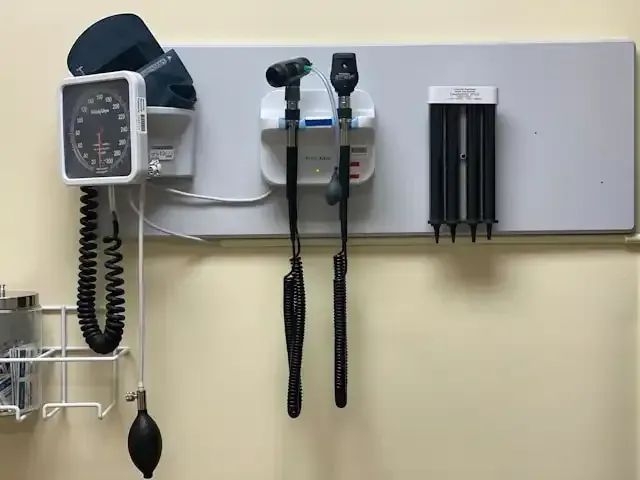
Applying for Social Security Disability can be a long and frustrating process. As part of that process, you may need to go through a consultative exam , which helps to establish the extent of your disability. What is a consultative exam, and what can you expect from that process? Make sure you are prepared by consulting with a member of our legal team.

If you are receiving Social Security Disability Insurance (SSDI) payments, it is likely that you have faced many challenges, and these may have directly affected your financial situation. Once financial hardship takes hold, it can be challenging to regain control, and you may have creditors expecting repayment. Some creditors may even use ugly tactics, one of which is the threat of garnishment.

It i s important for disabled entrepreneurs who receive Social Security Disability Insurance (SSDI) to understand how deducting impairment-related work expenses can affect SSDI calculations. These deductible expenses may reduce your countable earnings, helping you maintain eligibility for SSDI benefits while continuing to work.

Social Security Disability Insurance (SSDI) is a benefit you earn based on your work history and contributions to Social Security throughout your career. Supplemental Security Income (SSI) is a needs-based program for individuals with limited financial resources, whose work history is not necessarily a determining factor for eligibility.

If you are approaching retirement, you might be wondering how much you will receive in Social Security benefits. Your level of benefits will depend on how much you worked and earned in your career, calculated as average indexed monthly earnings (AIME).

Why Does the ALJ Want to Know That? ALJ wants to know The process can get confusing. We’re here to sort it out with you. To start with, let’s look at a common question we get: Why does the ALJ want to know that? Chores Pets Social activities Grocery shopping Who you live with Drugs/etc Why Did the ALJ Ask Me That? Some questions in your Social Security disability judge make sense. They will often ask about your previous work, your physical limitations, and why you feel you cant work. But your attorney and the judge will ask other questions about your personal life, such as your social activities and the chores you do around the house. Why do they ask that? The short answer is that the judge does not have current, full-time job performance to evaluate. He or she often determine whether you can perform a job using other clues about your abilities from your life. Here are a few examples. Household Chores The household tasks you can and cant do may be very informative for a Social Security judge. If you tell the judge you cant stand for long periods, but that you have no problem vacuuming the house, the judge may see that as evidence that you are more able. Pets You may no think that having a pet makes a big difference to your disability claim. However, if your attorney asks you about it theres a good reason. You may be able to let your dog out, but not be able to take her for a walk. You may be able to feed your cat, but not clean a litter box. These can illustrate your condition better than you think. Living Arrangements Do you live with a partner who assists you? Or maybe you have children or elders living with you that you
Many employers offer benefits in addition to wages. Besides health, dental, life, and accident insurance, some employers also offer short-term and long-term disability insurance . This insurance is designed to replace some of your regular income in the event you become unable to continue performing your job due to health reasons. Short-term disability insurance is designed to replace your income in the short term usually around six months. Long-term disability insurance is designed to replace your income over the long term. Ideally, it will pay benefits until you reach your retirement age.
COVID-19 has thrown a wrench in our way of life. Not only has it affected our personal and business lives, but it has also changed the way that medical professionals work. Many visits are now done via telemedicine and telehealth, either through video or phone call. Although this is safer and more convenient, it presents some challenges in disability claims.
